
Guide: How to choose the right knitting needles
There is no one "best" knitting needle - the right needle is the one that fits your yarn, your technique and your project. Here you get a practical guide to choose from fixed round pins and replaceable round pins, and to understand the difference between material, tip, wire and flexibility.
1) Fixed circular needles vs. replaceable round pins
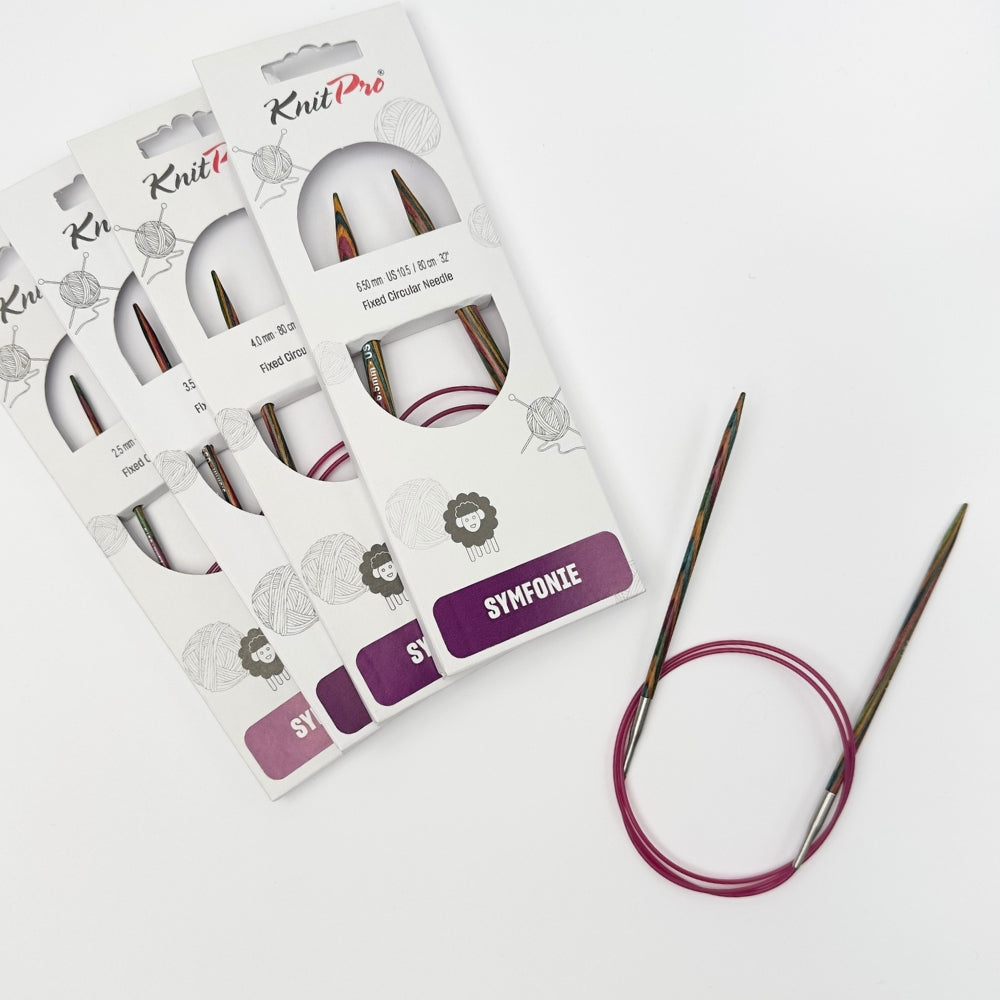
Fixed circular needles

Good for you if you:
-
would like a "plug-and-play" stick without joints
-
knits a lot same size (e.g. 3 mm for socks or 4 mm for sweaters)
-
want a round stick that is often felt extra stable in the transition between stick and wire
Benefits
-
no assembly that can come loose
-
typically very good for specific projects (e.g. lace / socks)
Disadvantages
-
you easily end up with many circular needles
-
less flexibility if you often change sizes/lengths
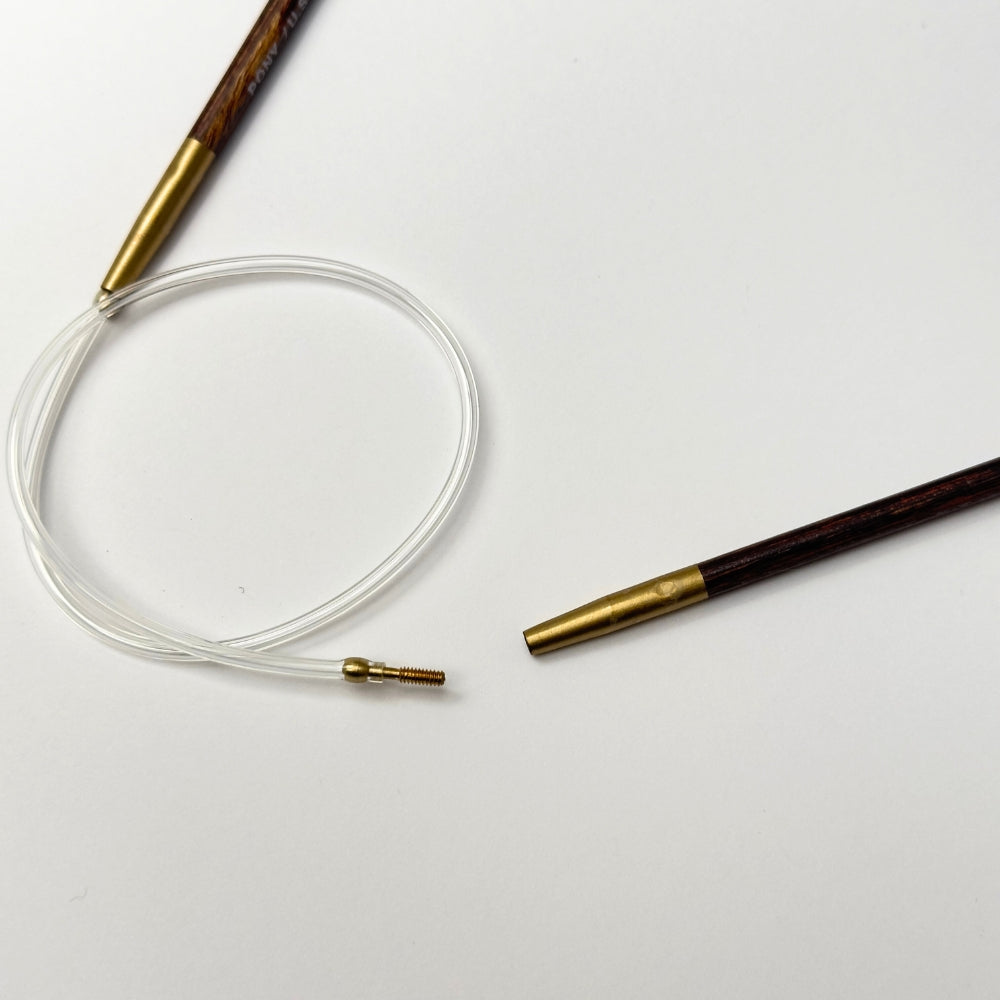
Interchangeable circular needles

Good for you if you:
-
knits many different projects and sizes
-
will be able to change wire length along the way (e.g. body → sleeves)
-
want a "system" you can build over time
Benefits
-
fewer sticks can cover more needs
-
easy to adjust length and change needle thickness
Disadvantages
-
joints can be felt if they are not completely smooth/tightened correctly
-
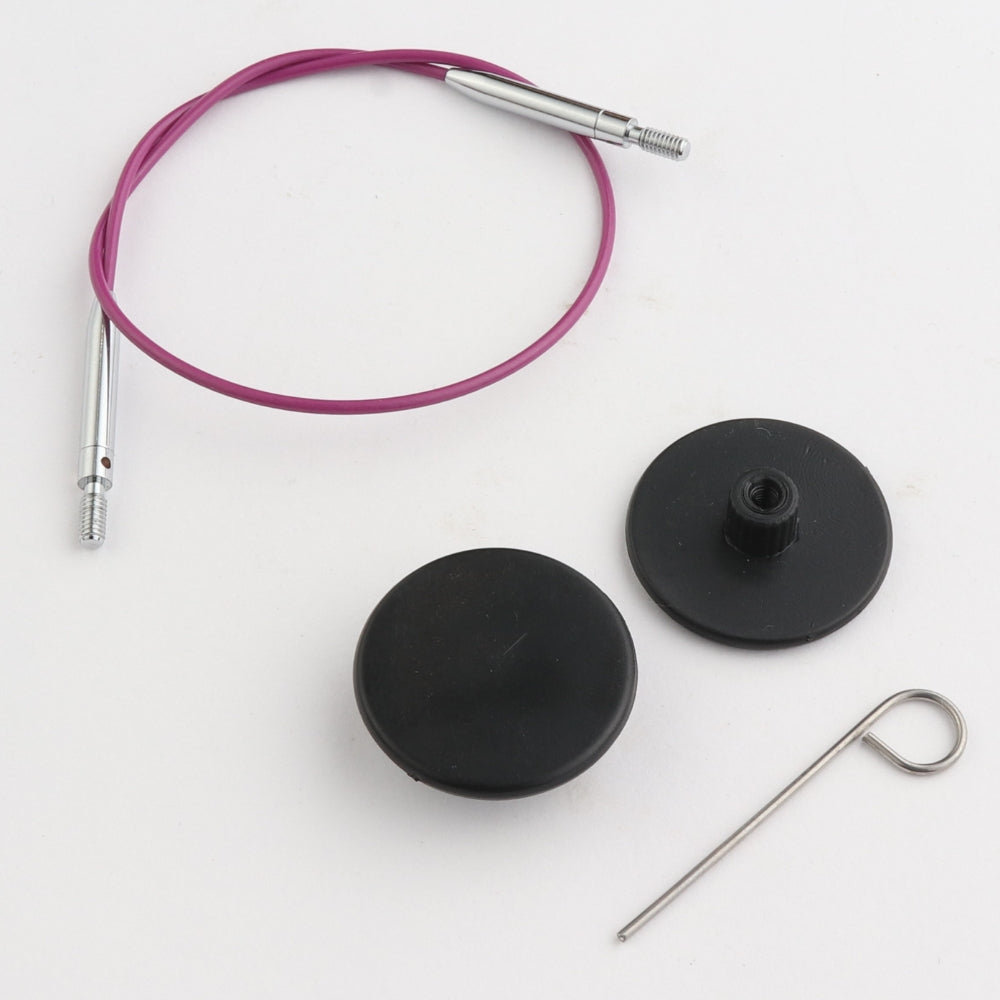
requires a little more "setup" (keys, tightening, possible wire care)
2) Material: wood, metal or plastic?
The material affects both speed, grip and feeling in the hands.
Metal (e.g. Addi Lace)

Knitting needles in metal, such as Addi Lace, has a smooth surface which provides a smooth knitting experience.
When metal is brilliant
-
when you want speed in the masks
-
when the yarn is "shaggy" (mohair/alpaca) or coarse (pure wool), a smooth knitting needle can be nice to use, as it gives a better flow
-
for tight knit strength or if you tend to knit loosely
Typical experience
-
a lot of slippage in the stitches
-
sharp precision (especially with pointed lace needles)
Choose metal if…
-
you knit lace, socks or details with many insertions/removals
-
you want sticks that "work for you" and keep the pace up
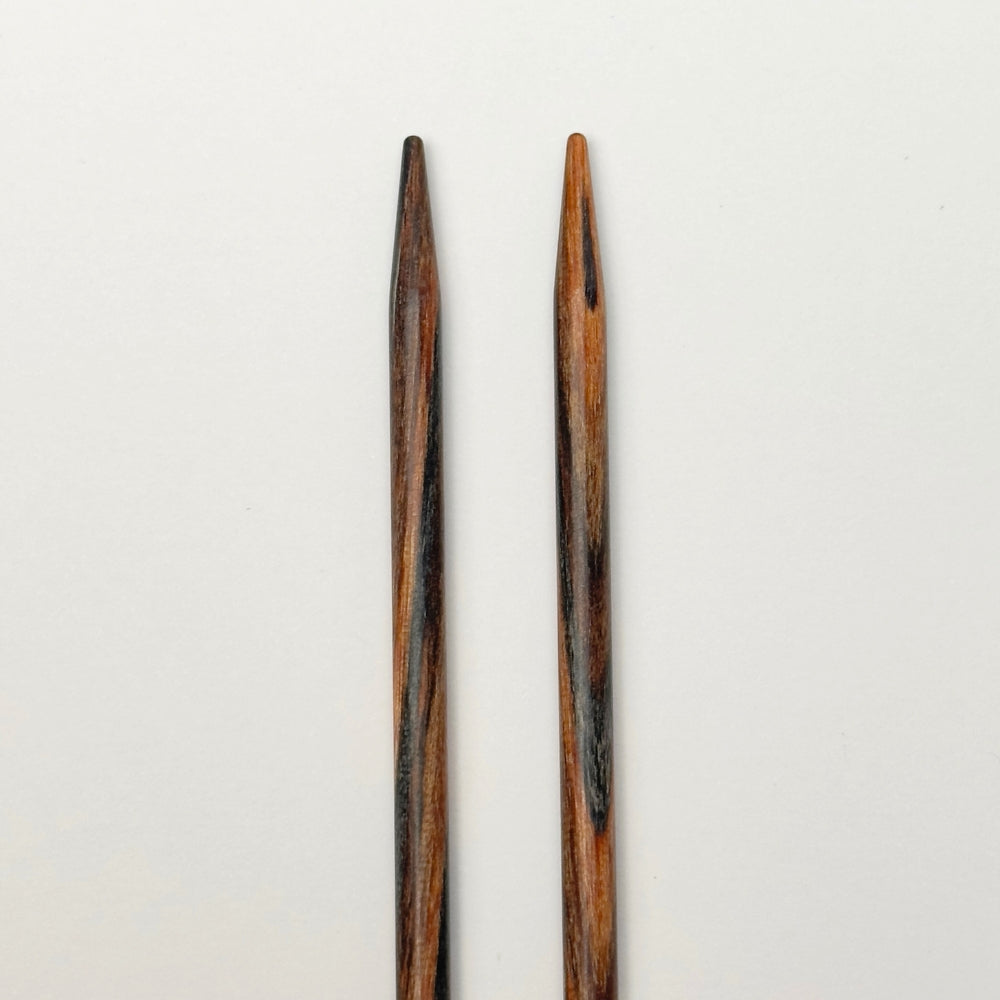
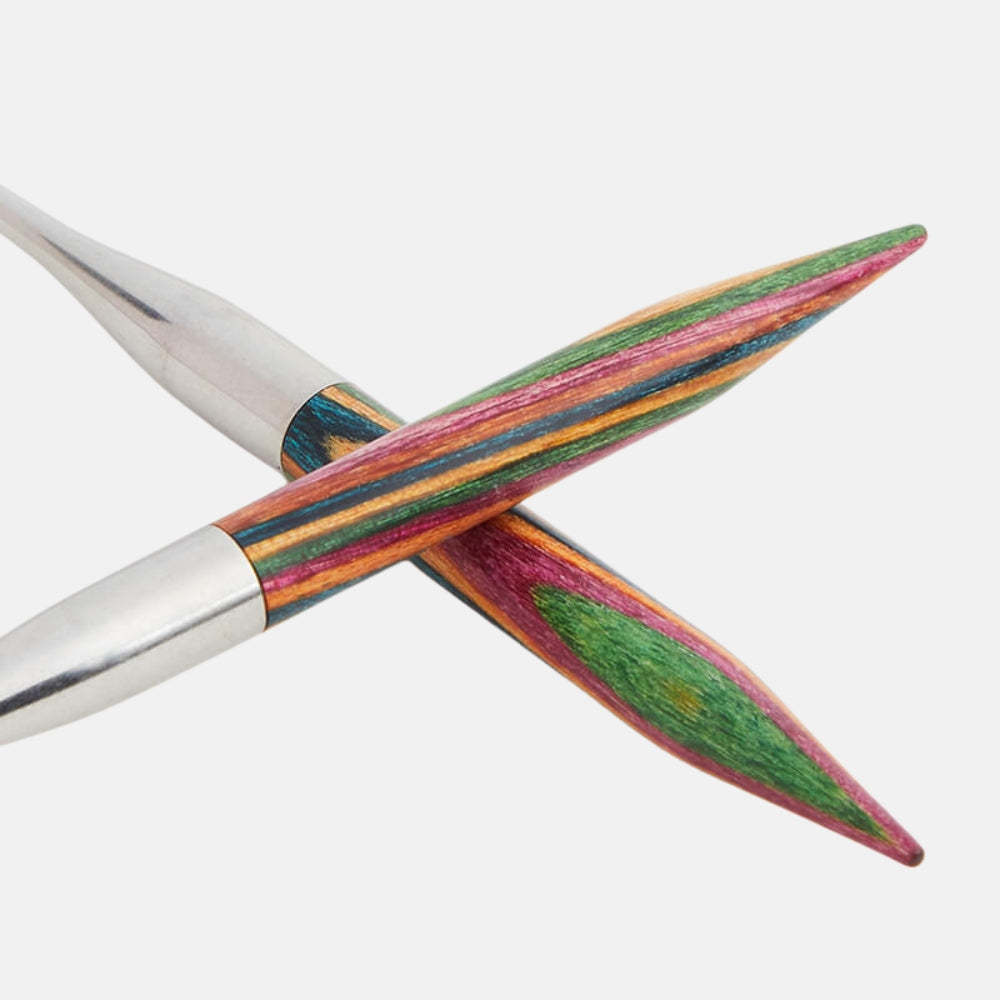
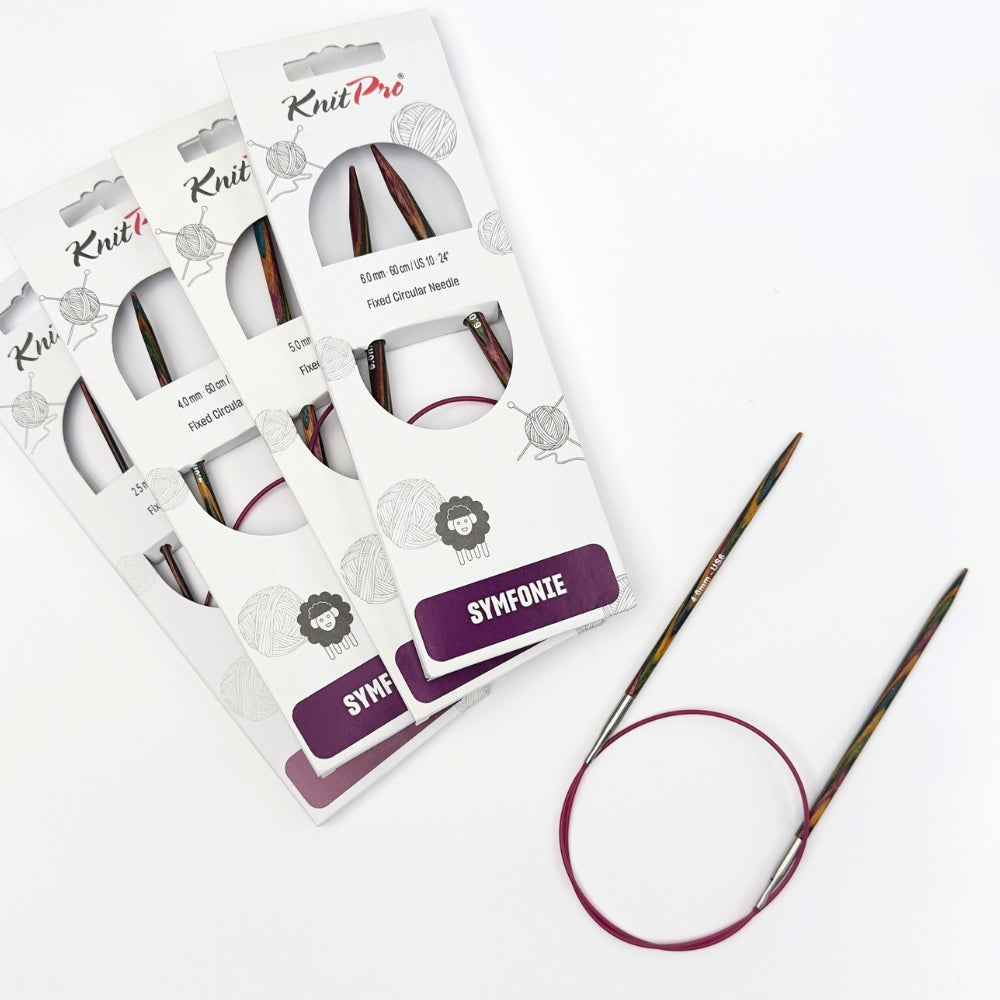
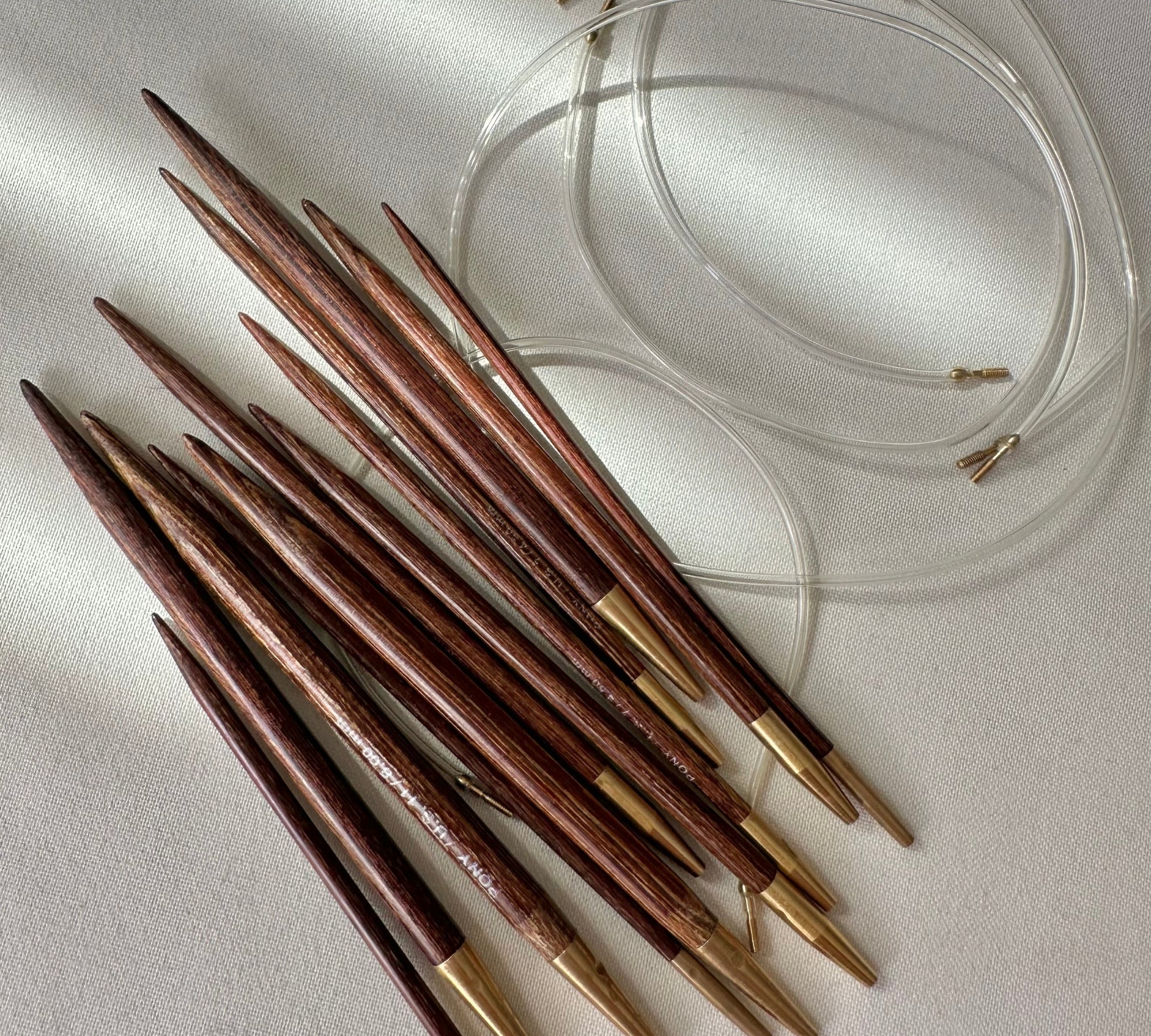
Wood (e.g. KnitPro Symfonie and Pony Perfect)

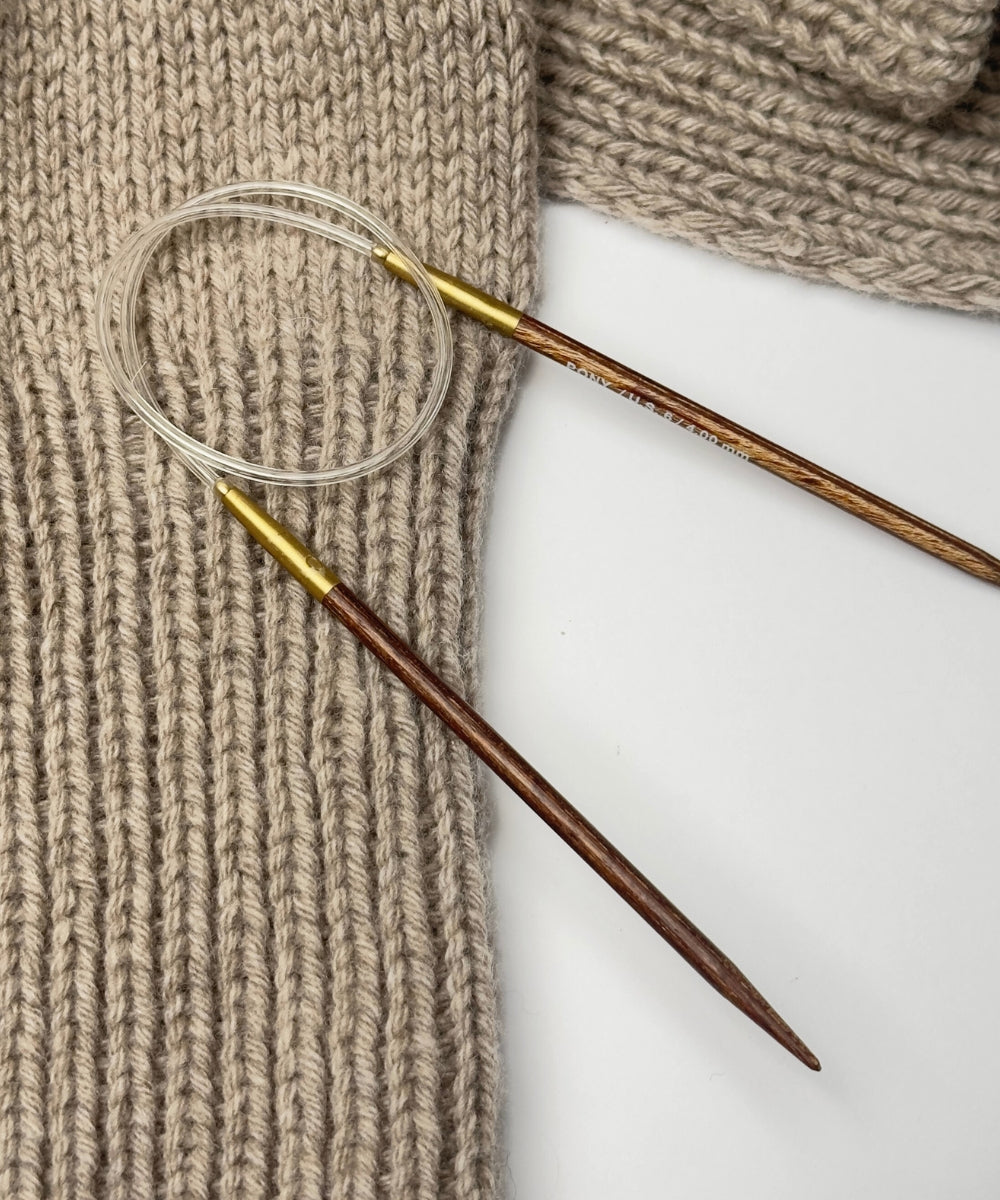
Wooden knitting needles will give a more controlled knitting experience, as they are not as smooth as e.g. metal, so many experience having more control. However, there can be a difference in how smooth the surface is, depending on the brand. KnitPro Symphony is e.g. smoother than Pony Perfect.
When wood is brilliant
-
when you want more control (the masks don't slide so easily)
-
for smooth yarns (merino/silk/viscose/cotton) where metal can feel too smooth and unstable, resulting in uneven stitches
-
if you get tired hands from hard materials
Typical experience
-
warm and comfortable grip
-
less “click sound”
-
a little more friction = fewer dropped stitches
Choose wood if…
-
you knit beginner projects, large surfaces and/or in smooth yarn
-
you want a calmer flow and more stability
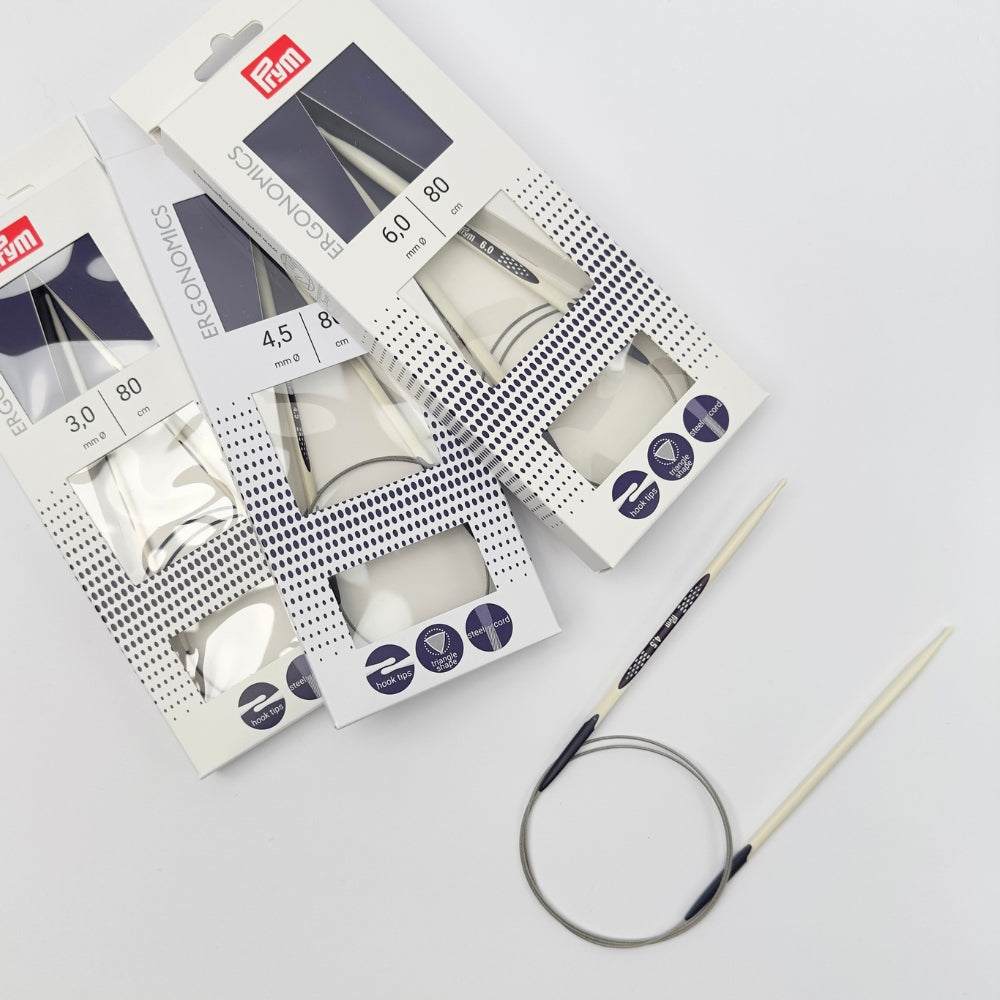
Plastic / composite (e.g. Prym Ergonomics)

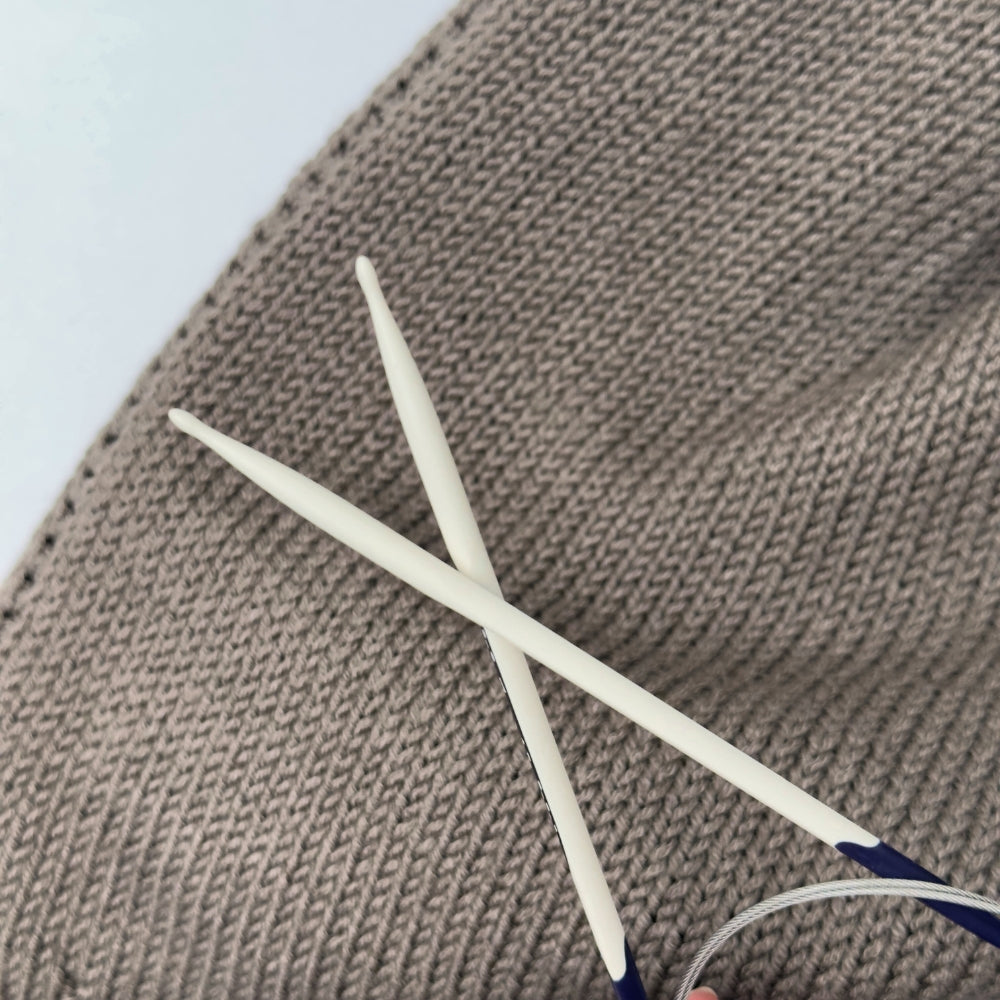
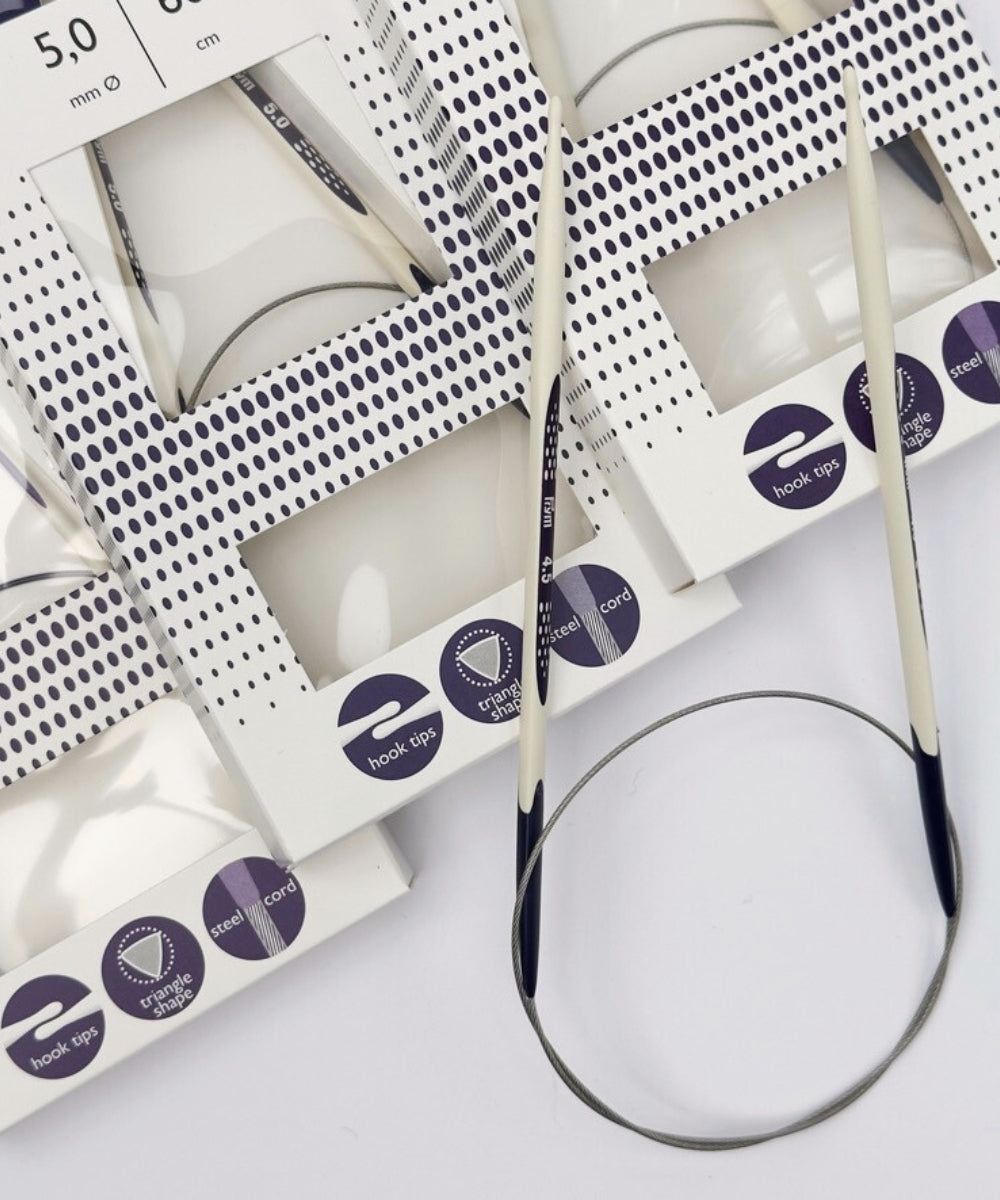
Plastic sticks are a good compromise between wood and metal. They slide easily, but still offer a bit more grip than metal. Here is Prym Ergonomics a good offer for good and ergonomic knitting needles.
When plastic/composite is brilliant
-
if you want light weight and a more "soft" feeling in the hand
-
if you have sore hands/wrist and would like to minimize strain
-
for longer knitting passes, where weight and grip matter a lot
Typical experience
-
very light sticks
-
often a grip that helps the stitches stay on the needle without slowing down too much
Choose plastic/composite if…
-
you prioritize ergonomics and comfort
-
you often knit for many hours at a time
3) Tips: very pointed, rounder or drop-shaped
The tip affects especially intakes/withdrawals, knit together and speed.
Very pointed (lace tip) – e.g Addi Lace or Pony Perfect

Perfect for:
-
lace patterns
-
twists, insertions/extractions, many details
-
thin yarns and dense stitches (socks, shawls)
ATTENTION
-
can feel "hard" against the fingers if you press too hard on the tip
-
requires a little more attention if you easily split yarn
Rounder tip (e.g KnitPro)

Perfect for:
-
beginner knitting
-
thick yarns, large stitches
-
projects where you want to avoid splitting yarn
Benefit
-
more forgiving and comfortable
Drop-shaped tip – e.g Prym Ergonomics (characteristic)

Perfect for:
-
you who want easy collection of the mask without the tip becoming aggressive
-
rhythmic "flow" in rib/stockinette
-
less risk of yarn splitting
4) The wire: flexibility, memory and collections
The wire is at least as important as the stick itself.
Flexible wire

Good for:
-
magic loop technique
-
if you want the circular needle to "follow" the work without resistance
Tip: Pony Perfect is known for their flexible and soft wire, such as lends itself really well to the Magic Loop.
Stiffer wire

Good for:
-
large projects with many stitches (sweaters, blankets)
-
if you want more "control" and stability
- For example Addi Lace and KnitPro Symfonie
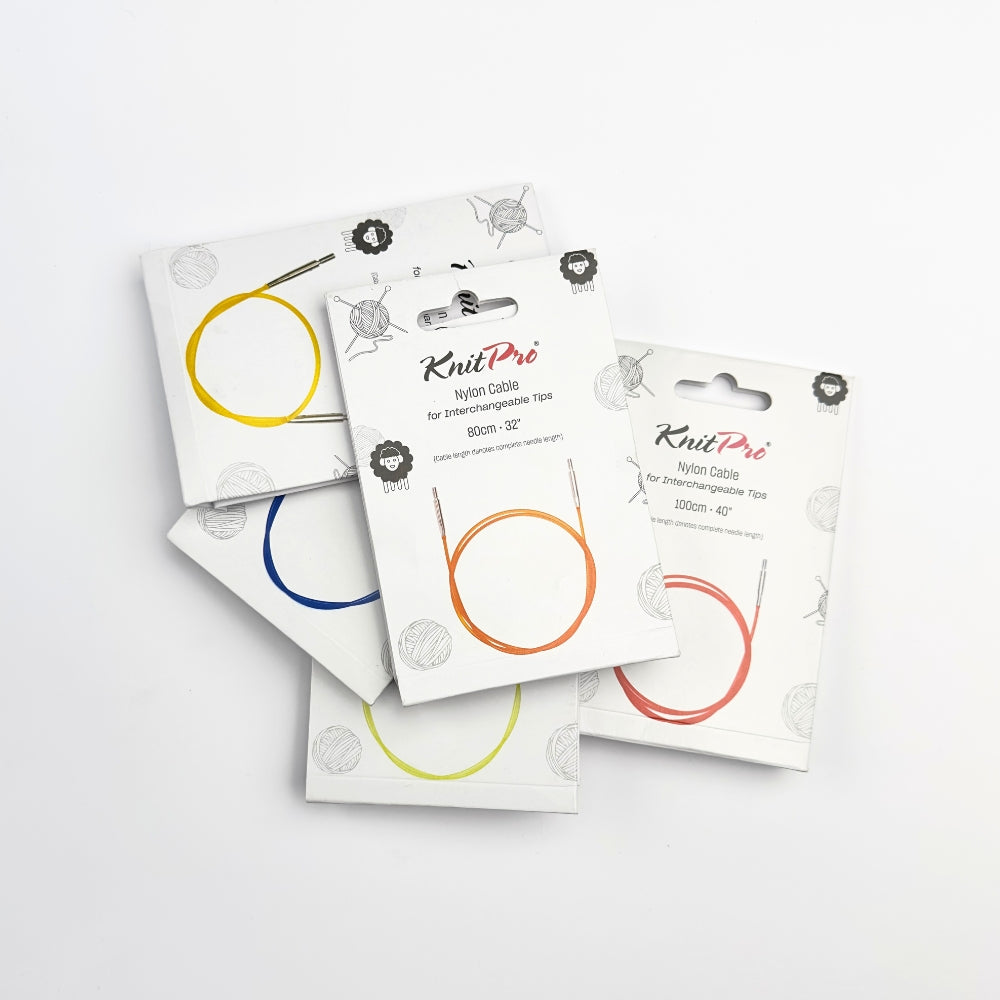
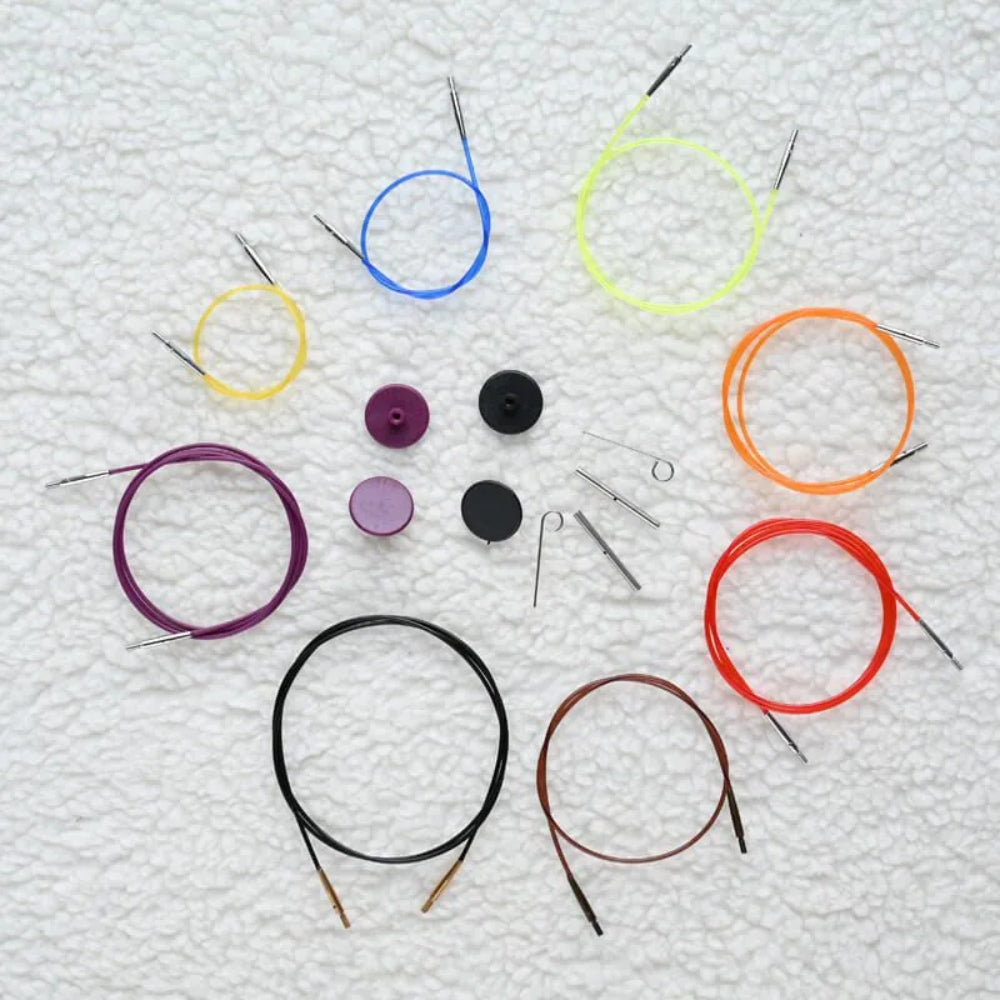
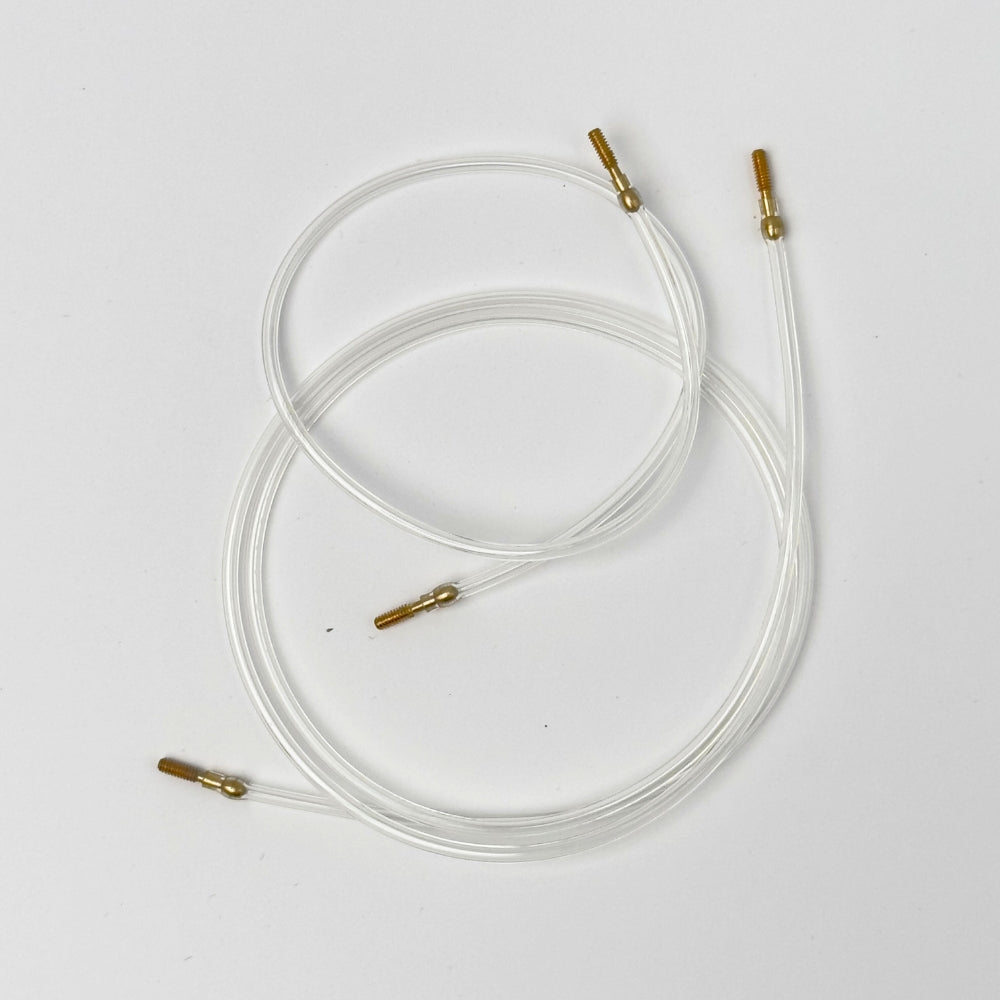
Interchangeable wires with rotation joint (swivel)

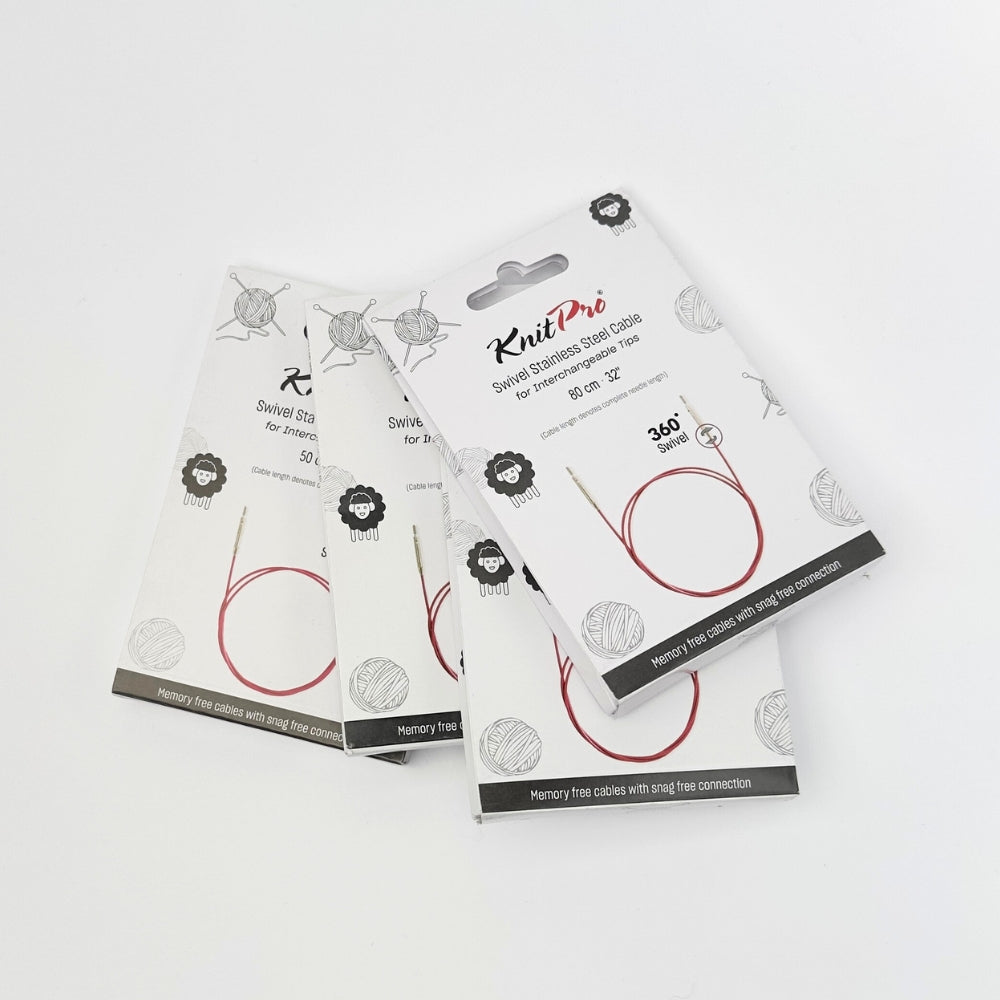
A wire with rotational joint (e.g KnitPro Swivel) can be a great advantage if you knit a lot with interchangeable circular needles. Here the wire can rotate freely in the assembly, so that it does not twist when you turn the work or move the stitches.
Good for:
-
Magic loop and small circumferences
-
Projects with many stitches, where the wire is otherwise light twister
-
You who want one more liquid and calm knitting experience
Assembly between stick and wire
-
Must be felt smooth, so that the stitches do not hang
-
On interchangeable sets: remember that tighten properly (and check along the way)
5) What do you knit? Choose by project
Socks, lace, fine details
-
Metal + pointed lace tip (e.g Addi Lace)
-
Flexible wire if you use magic loop (e.g Pony Perfect)
Sweaters and everyday knitwear
-
Wood (e.g KnitPro Symphony) for control and comfort
-
Or metal if you want speed and easy gliding
-
Wire: medium flexibility = often most versatile
Cotton, linen and "heavy" yarns
-
Wood can provide better grip (less slip) in smooth yarn
-
Metal can be good if you find that cotton "slows down" or if the stitches are small (e.g. a knitting tension of 27-28 sts per 10 cm)
If you split yarn often
-
choose round/drop shaped tip
-
avoid overly sharp lace tips at first
If you get sore hands/wrist
-
look towards ergonomic, light sticks (e.g Prym Ergonomics)
-
often a little more grip and low weight is a big help
6) A few quick rules of thumb
-
Too smooth? Change from metal → wood/composite.
-
Too slow? Change from wood/composite → metal.
-
Too uneven? Switch from metal → wood/composite.
-
Do you split yarn? More round/drop shaped tip.
-
Many insertions/extractions and details? Sharper tips.
-
Magic loop? More flexible wire and smooth joints.
-
Many projects? Interchangeable system provides the most value.
7) Our range – you can think of it that way
-
Addi Lace: when you want precision, pointed tip and fast knitting (lace/socks/details).
-
KnitPro Symphony: when you want wood's warm grip and calm flow (sweaters/structure/everyday knitwear).
-
Prym Ergonomics: when comfort, lightness and ergonomics are in focus (long knitting passes/sore hands).
-
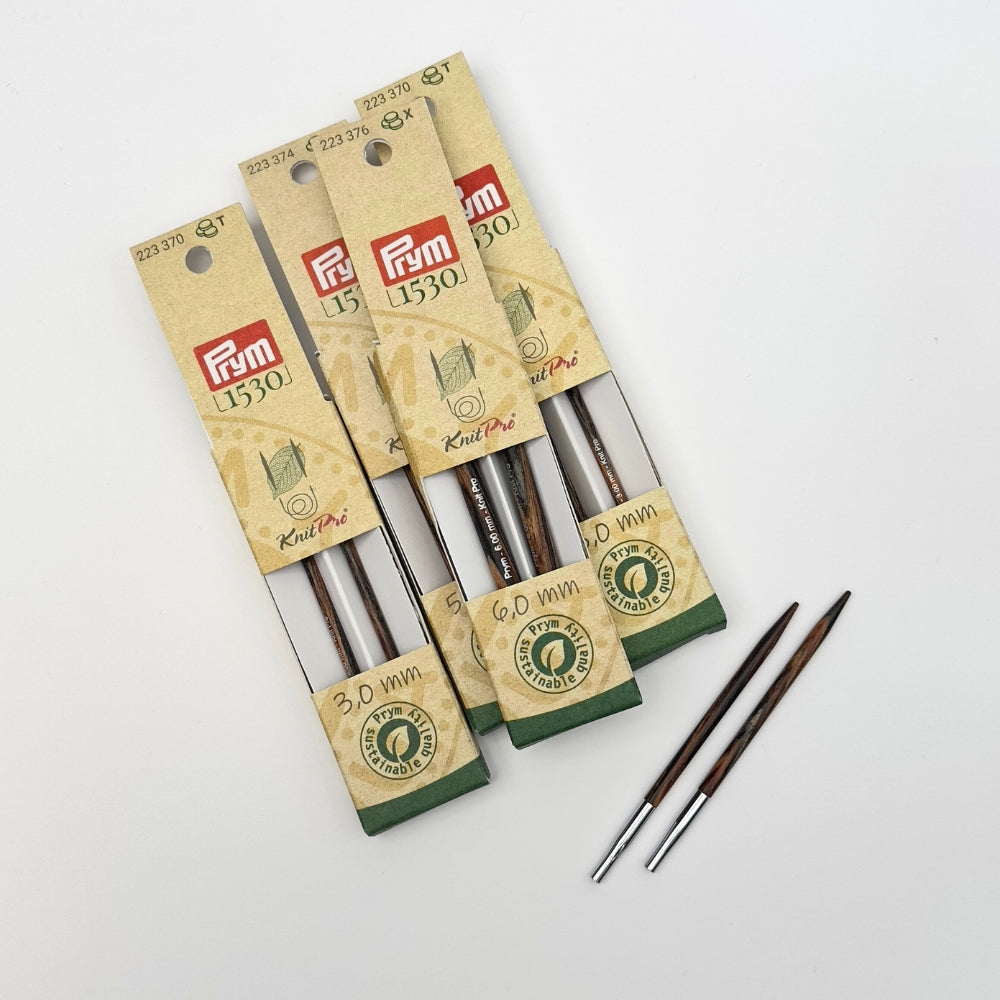
KnitPro / Prym (systems & accessories): good if you want to build a flexible setup with several wires and tips.
-
Pony Perfect: pointed tip and more grip in the surface (not the smoothest) and replaceable system with flexible wires.