

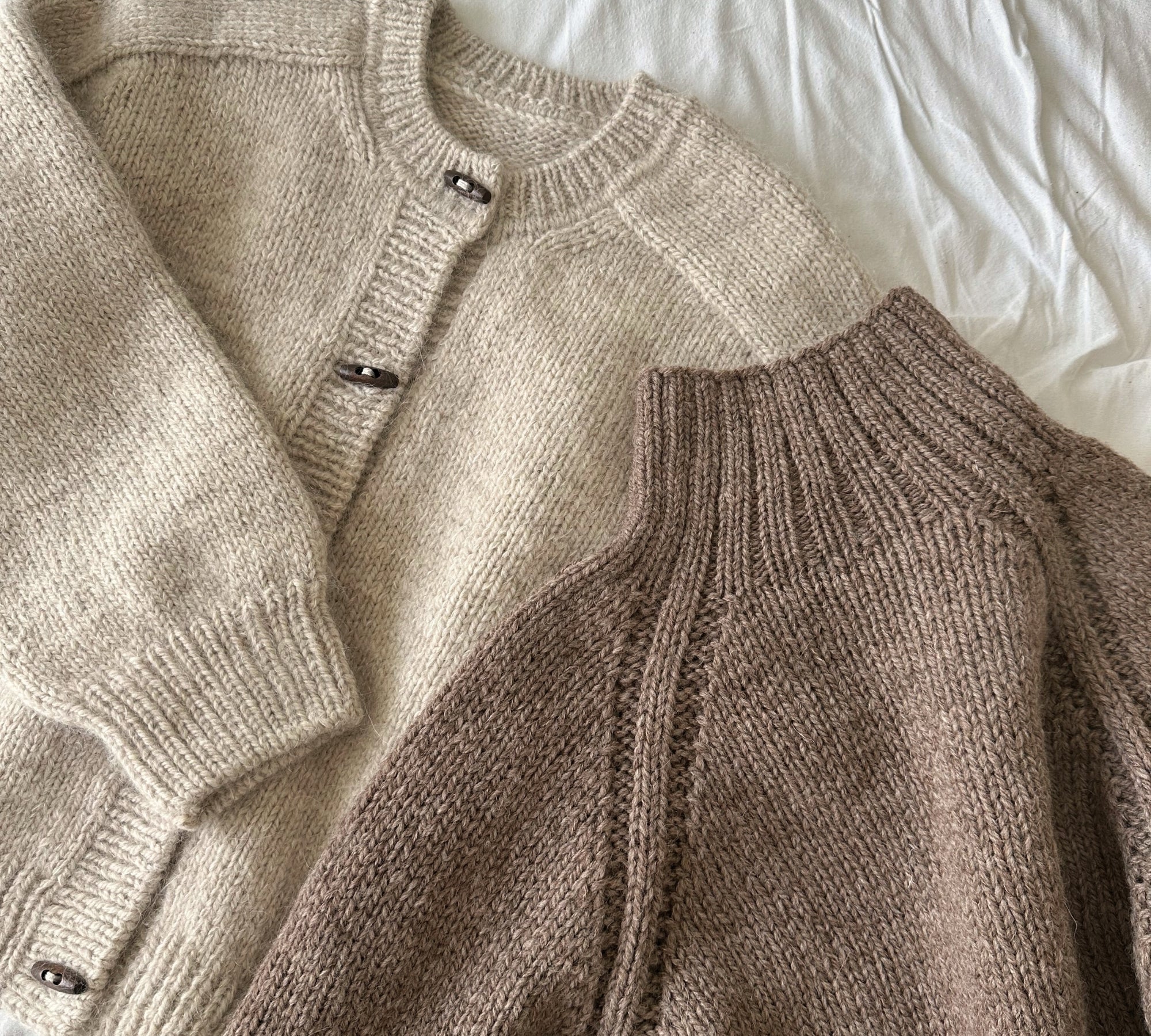
Guide: How to take best care of your home knitting
Home knitting requires loving care if it is to stay beautiful for many years. With the right products and routines, you can extend the life of all your favorite knitwear – whether it's wool, alpaca, silk or mohair. Here you will get a simple guide on how to wash, store and freshen up your knitwear.
1. Wash your knitwear with wool soap
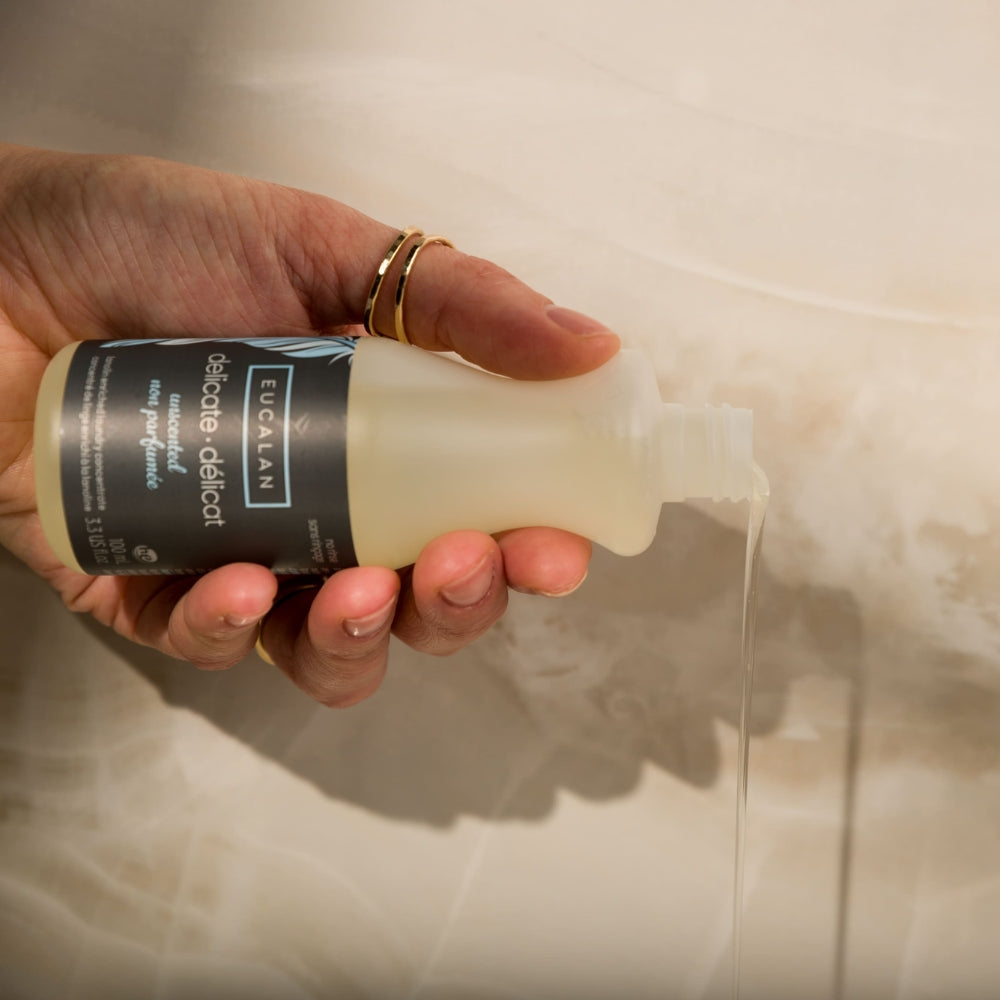
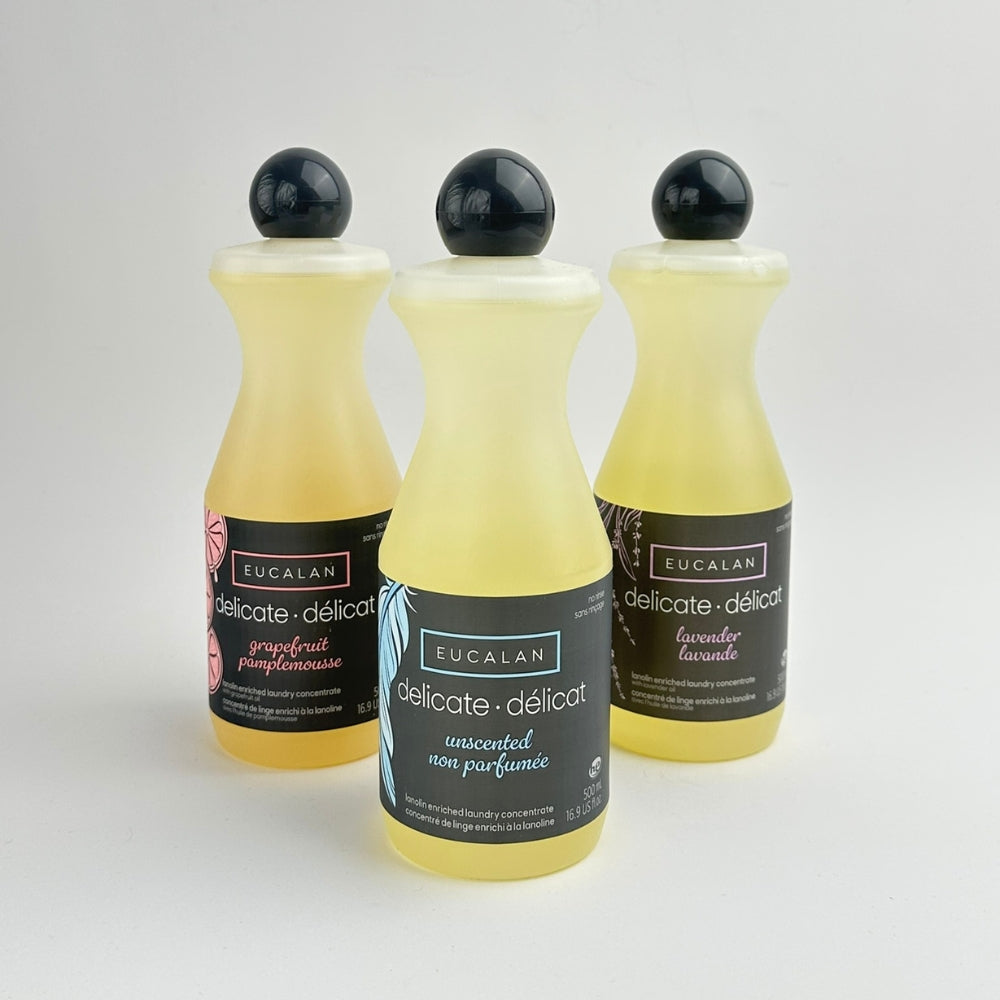
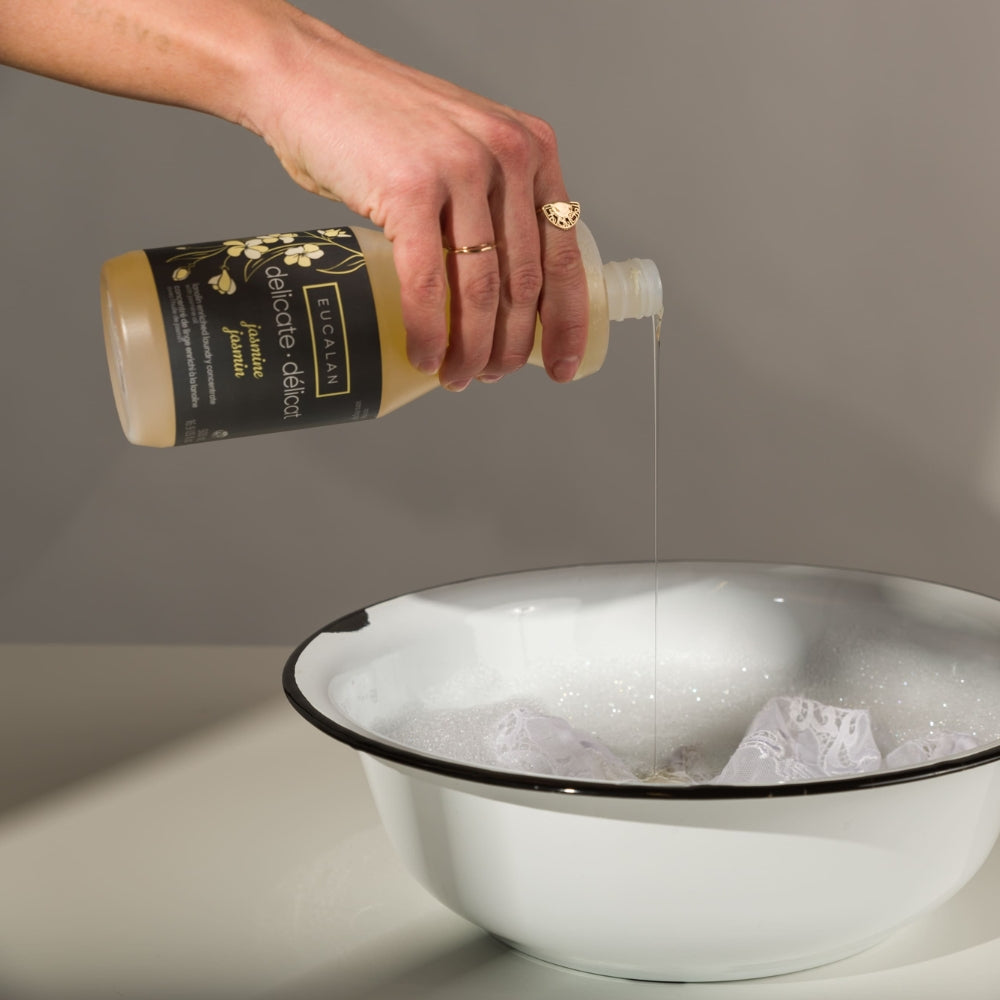
The most gentle way to wash knitwear is to hand wash with a mild wool soap - and here is Eucalan one of the most popular choices. The wool soap cares for the fibers, prevents drying out and preserves both shape and softness.

Hand wash with Eucalan
Hand washing is always the safest method, especially for delicate knits such as mohair, alpaca and silk.
How to do it:
-
Fill a tub with water at 30 degrees (unless otherwise stated
-
Add a small amount of Eucalan (follow the dosage on the bottle).
-
Place your knitting in the water and let it rest for approx. 15 minutes – without rubbing or twisting.
-
Eucalan does not need to be rinsed out, so you can lift the elastic straight out of the water.
-
Carefully squeeze out the water (press – do not twist).
Now you can either spin or dry with a towel.
-
Centrifugation: Centrifuge knitting at 800-1000 revolutions. NOTE: Be sure that your washing machine not takes in cold water. Lay it flat to dry on a towel or drying rack.
-
Dry with a towel: Carefully roll the wet knit in a towel and press lightly on it. Lay it flat to dry on a towel or drying rack.
Tip: Always use the flat drying method to prevent the elastic from stretching.
Machine wash on wool programme
Many modern machines have a gentle wool program that can also be used for home knitting. However, hand washing is recommended, as this is the most gentle.
How to do it:
-
Select wool programme 30 degrees
-
Use only Eucalan or another wool soap without enzymes.
-
Select centrifugation at 800-1000 revolutions.
-
Shape the elastic slightly when it is wet and lay it flat to dry.
2. Keep moths and wool-eating insects away
Wool and natural fibers are unfortunately irresistible to moths and other wool-eating insects - but fortunately it is easy to protect your knitwear.

Use cedar moth balls
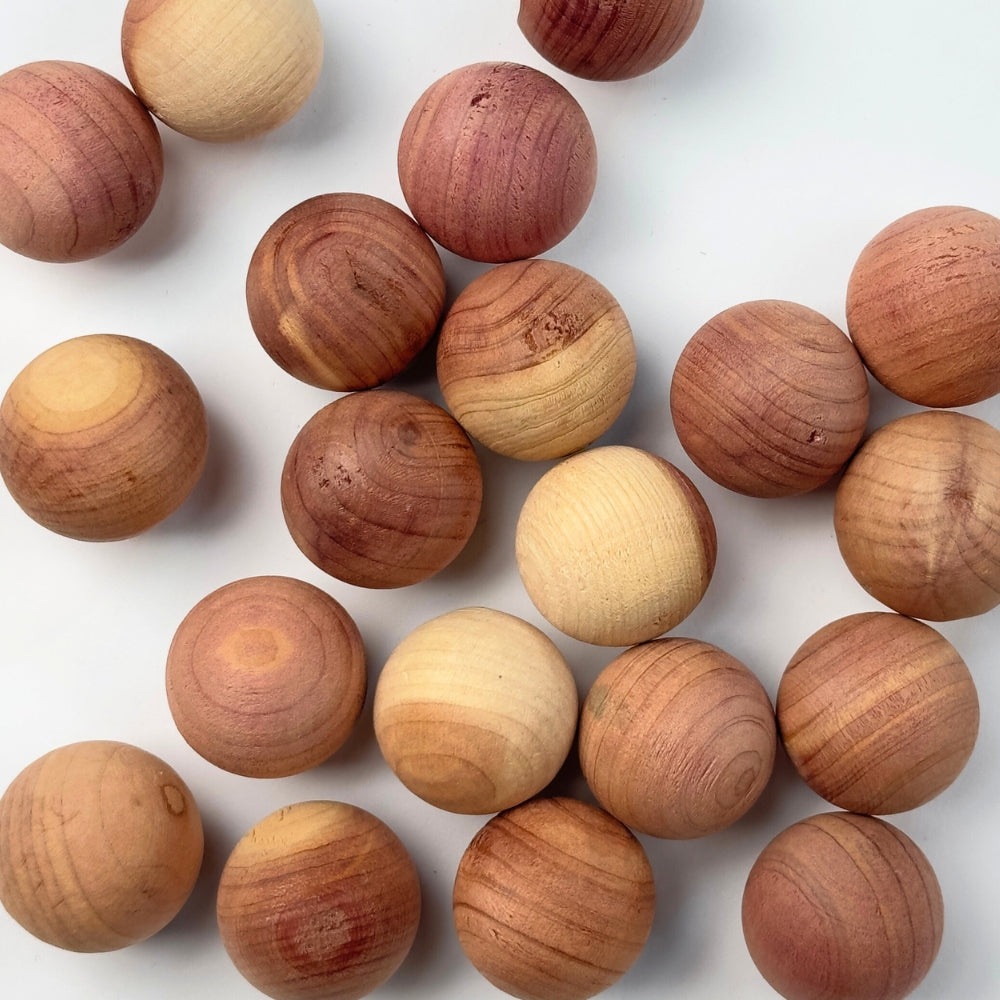
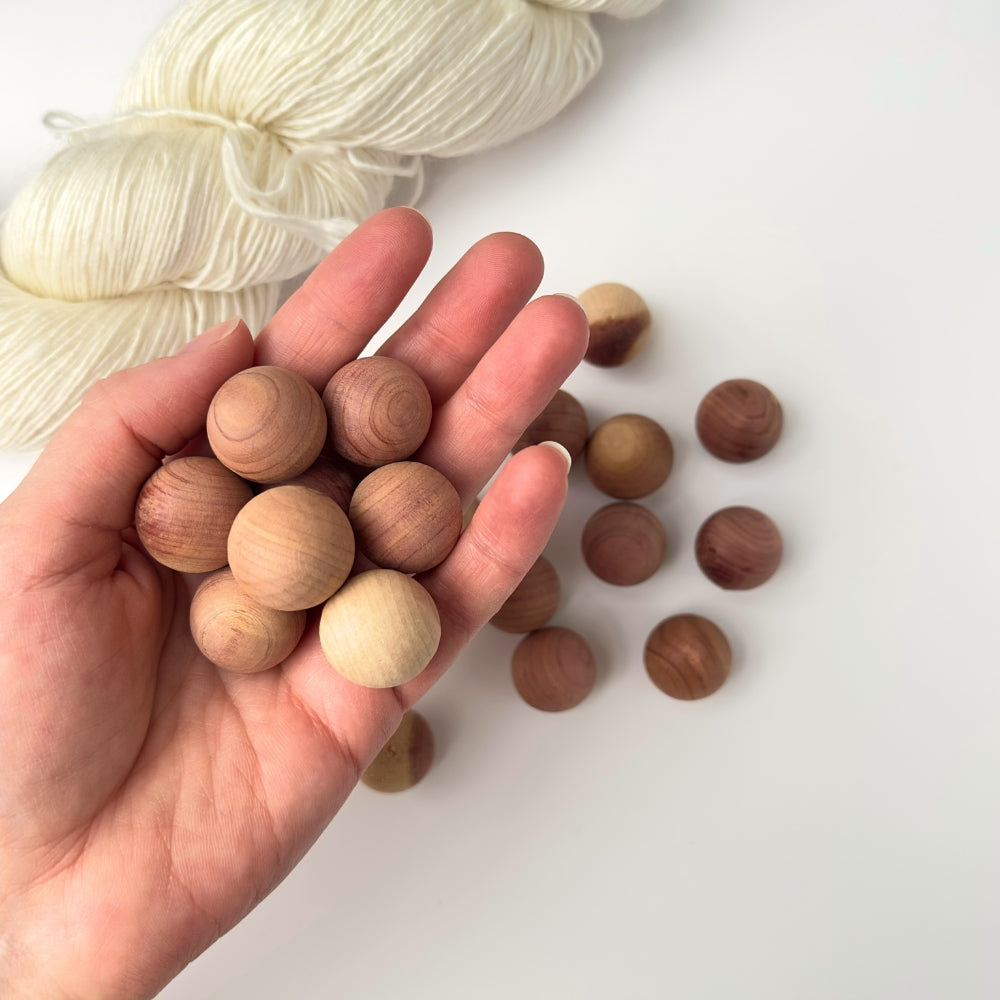
Cedar balls are a natural and chemical-free remedy against moths. They give off a scent that insects don't like, and are therefore perfect for the wardrobe, the yarn basket or the box of winter knitwear.
How to use them:
-
Place a few balls with your finished knitting and by your yarn storage.
-
Make sure they do not lie directly mod the knitting or the yarn - place them if necessary. in a small bag or old sock.
-
Freshen up the scent by sanding the balls lightly with sandpaper approx. once a year.
Tip: Combine mothballs with clean and dry knitwear - moths are particularly attracted to sweat, food and skin particles.
3. Give your home knitting new life
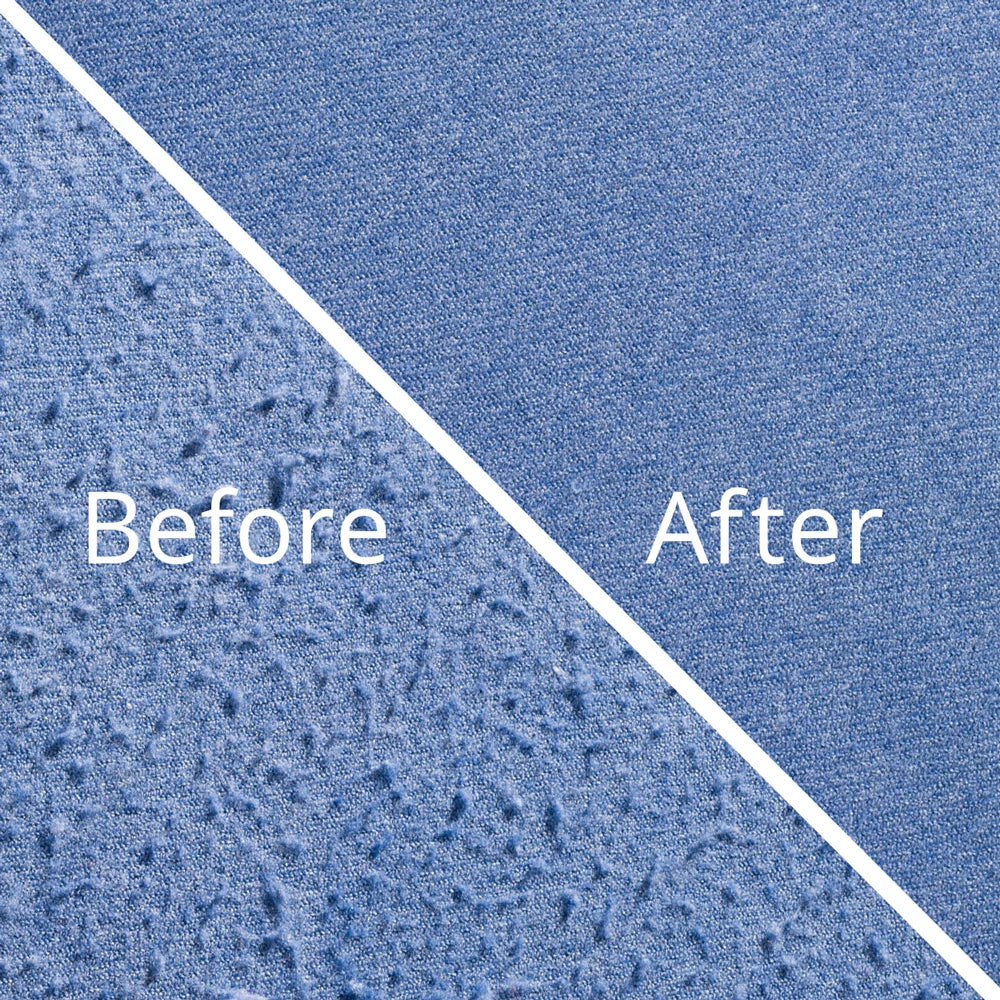
Even the best knitwear can get a little frayed or worn over time. Fortunately, it can be easily refreshed so that it looks almost like new.
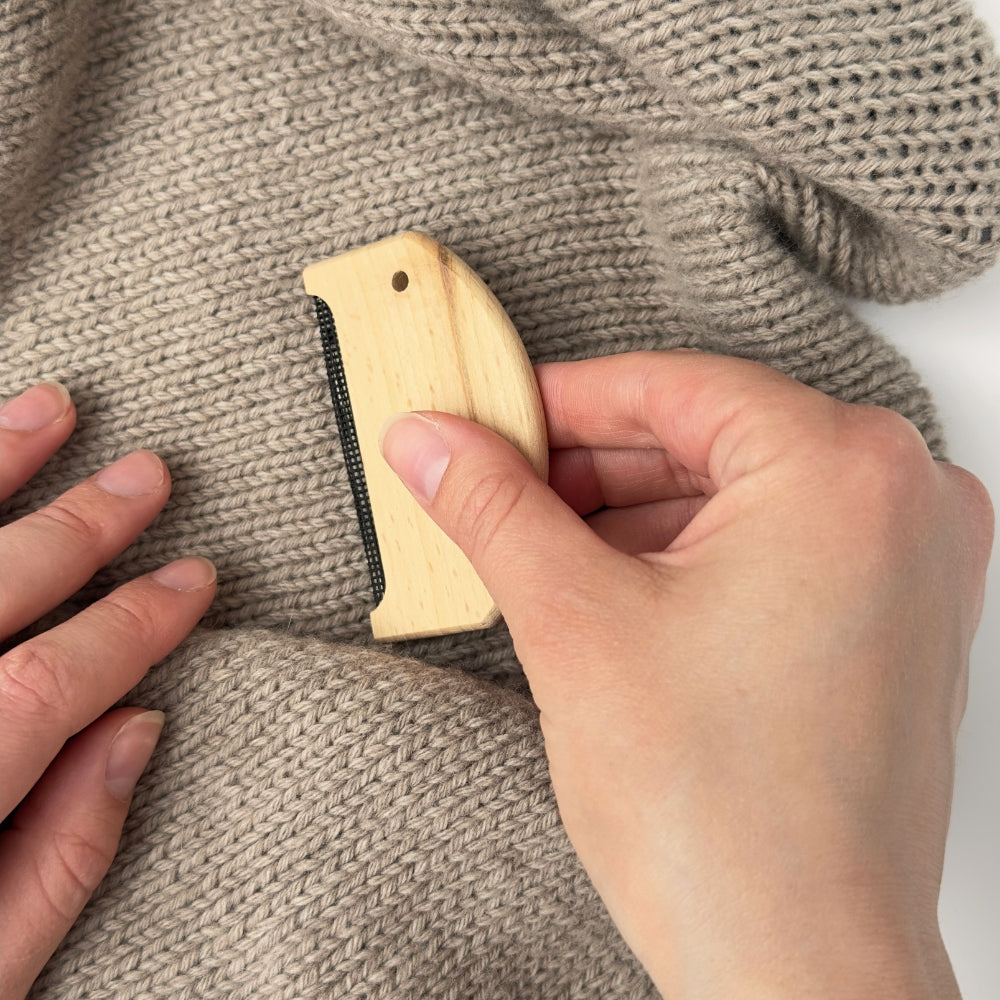
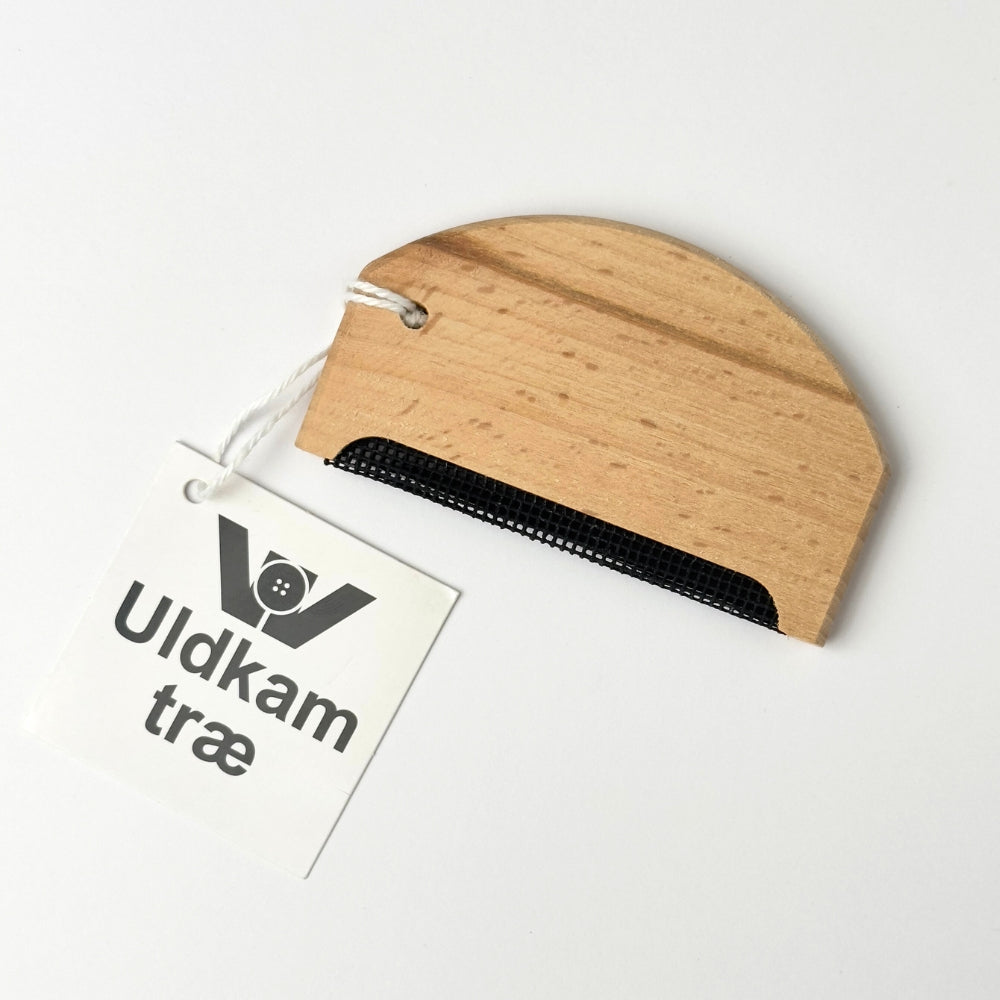
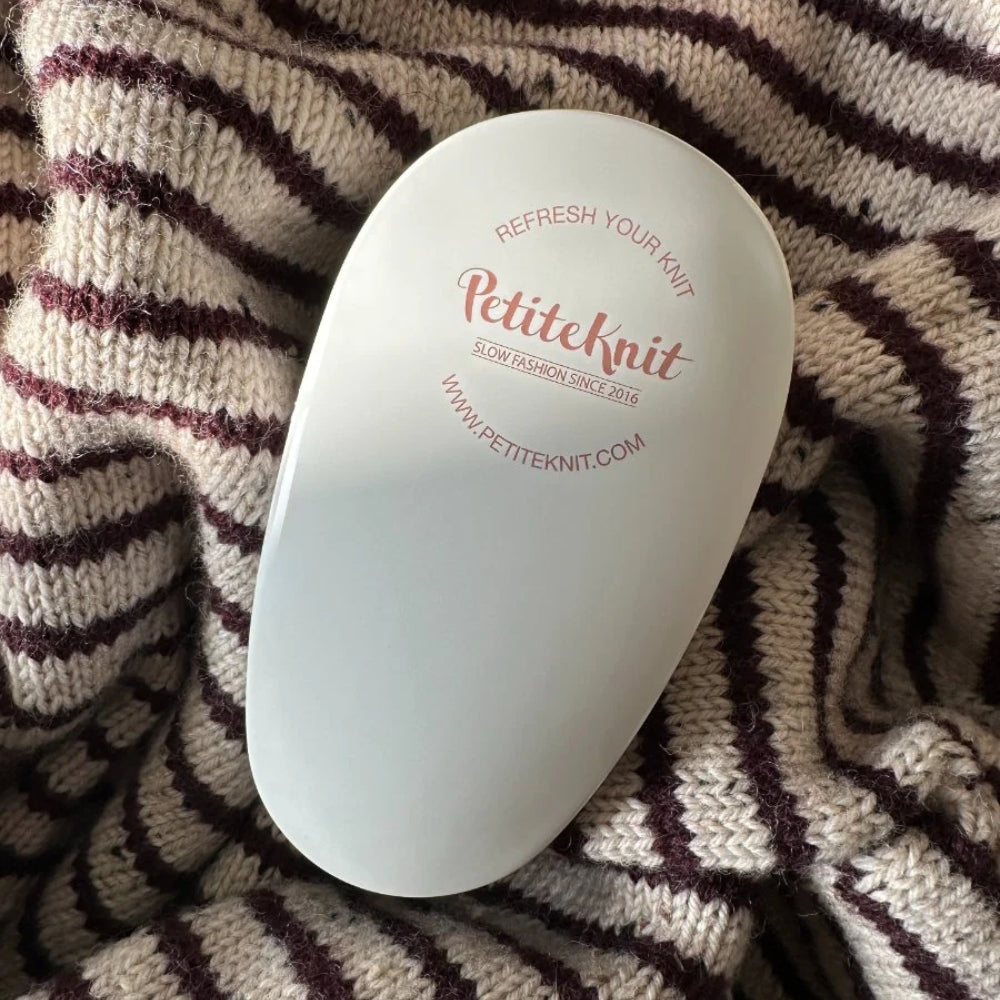
Wool comb – for light lint and pilling
A wool comb is ideal for removing loose fiber knots (pilling) on wool and alpaca.
Gently run the comb across the surface and watch the fluff collect.

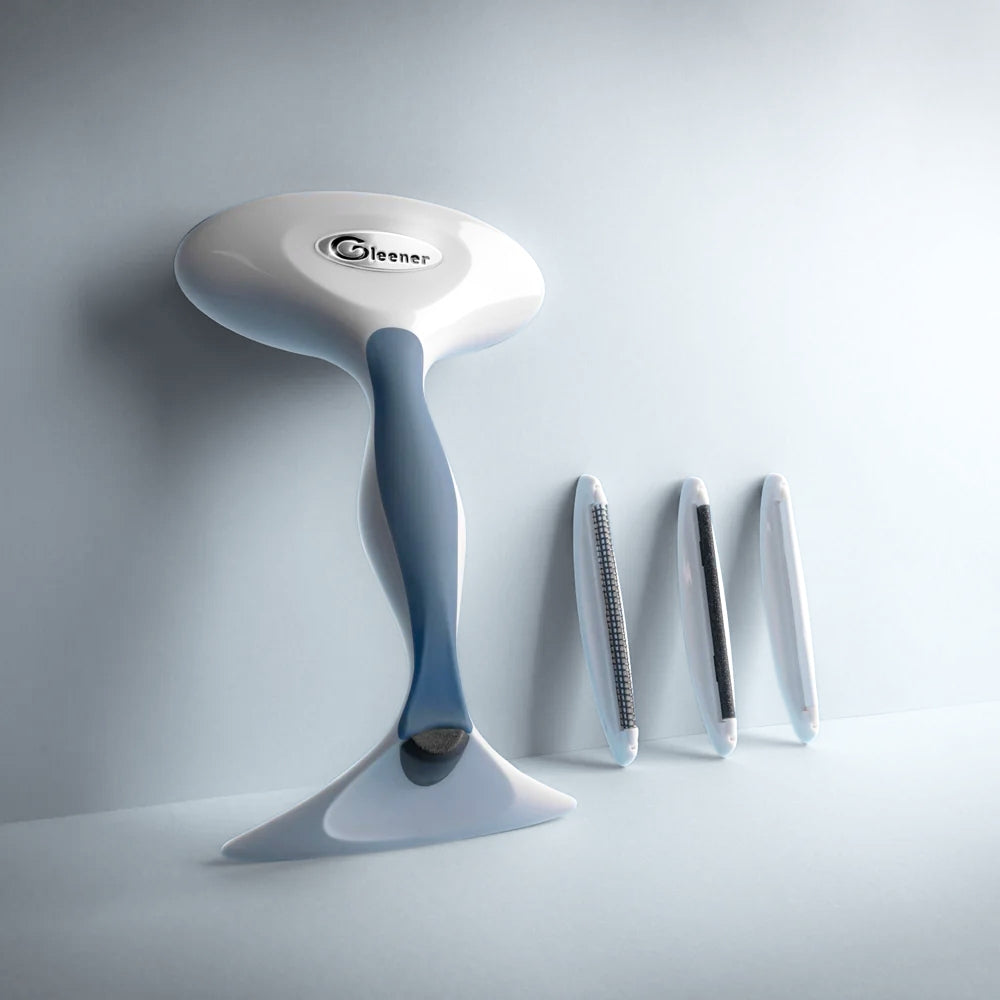
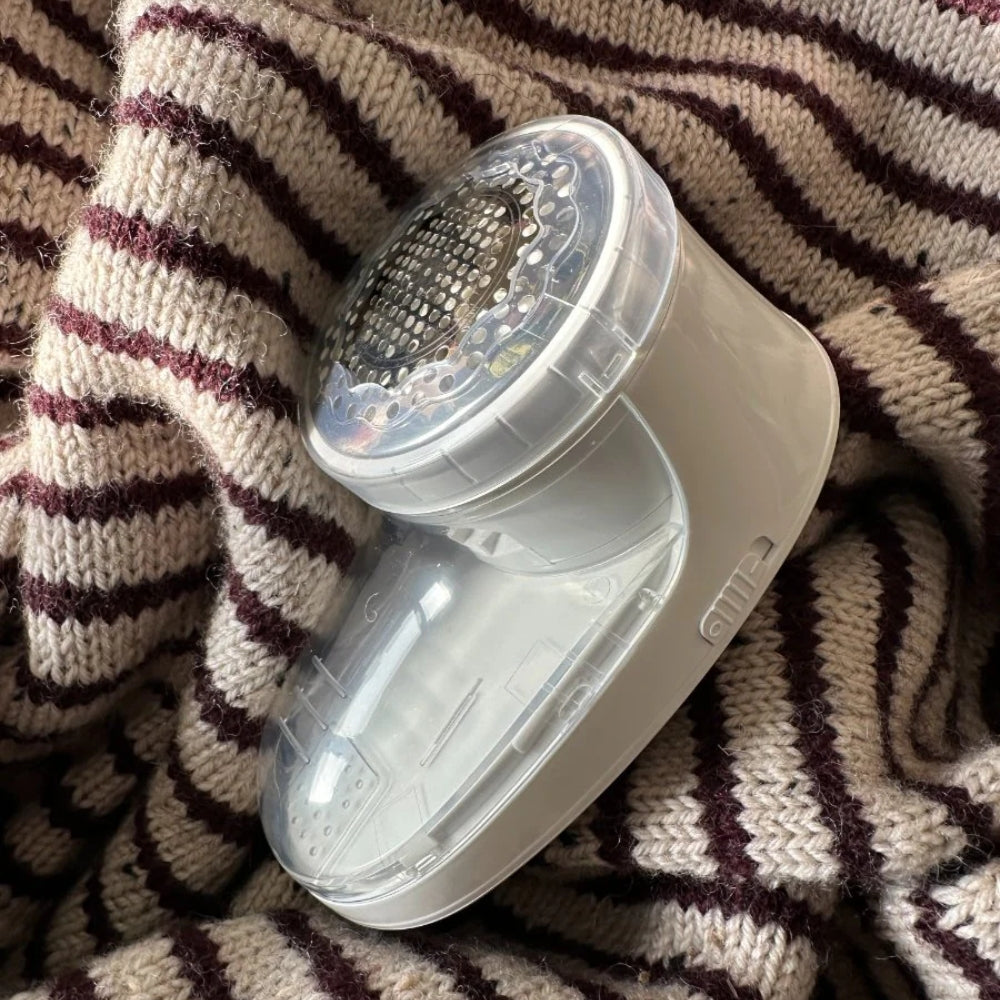
Wool gardener - for larger areas
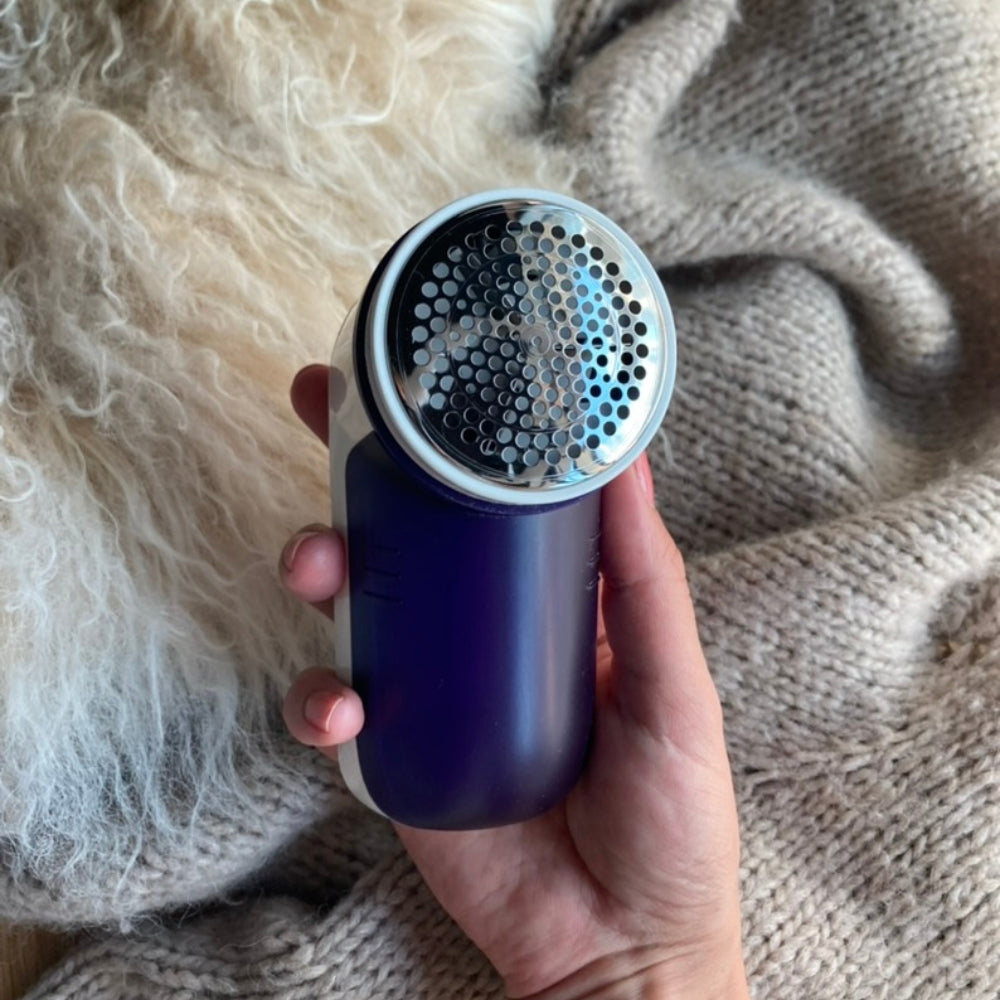
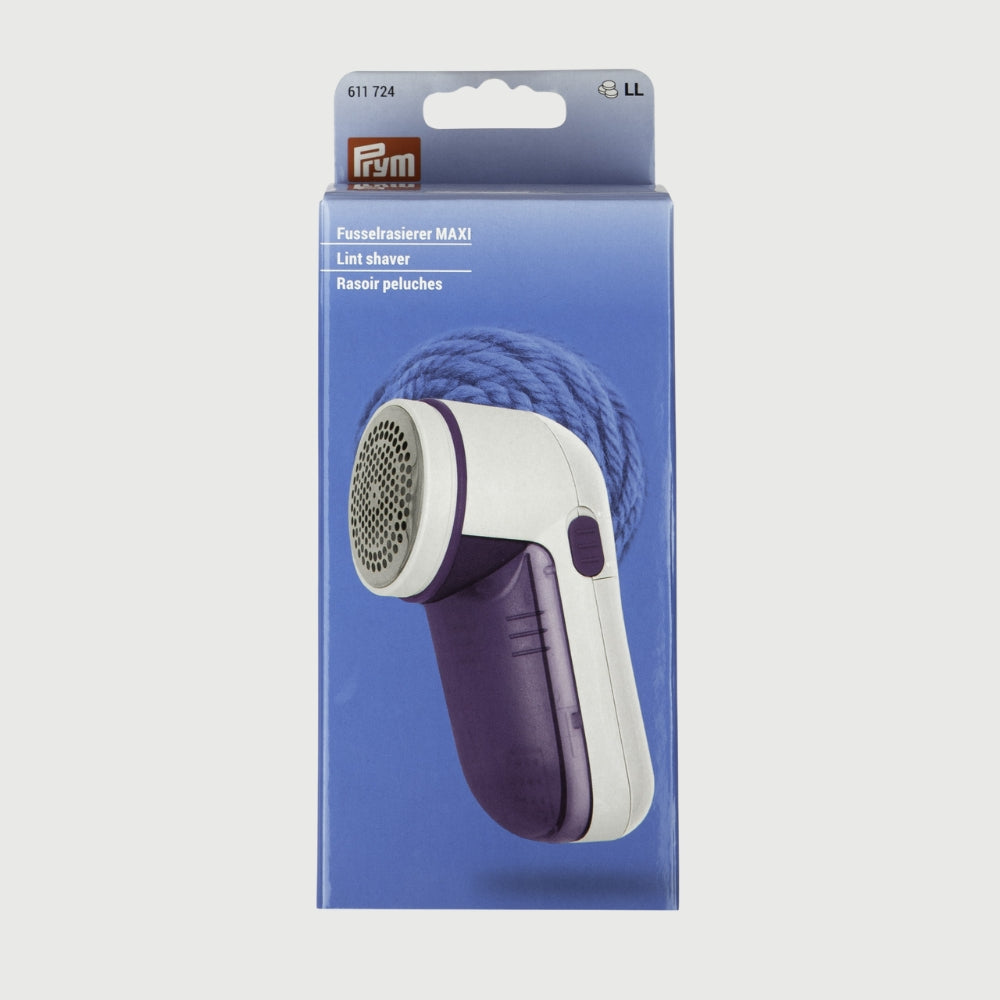
A wool shaver (or lint remover) is good for larger surfaces, e.g. on sweaters, cardigans and dresses.
It gently shaves off the small bumps without damaging the knit. Usage not a wool shaver for knitting with long-haired fibres, such as mohair, as the fine hairs will be cut.

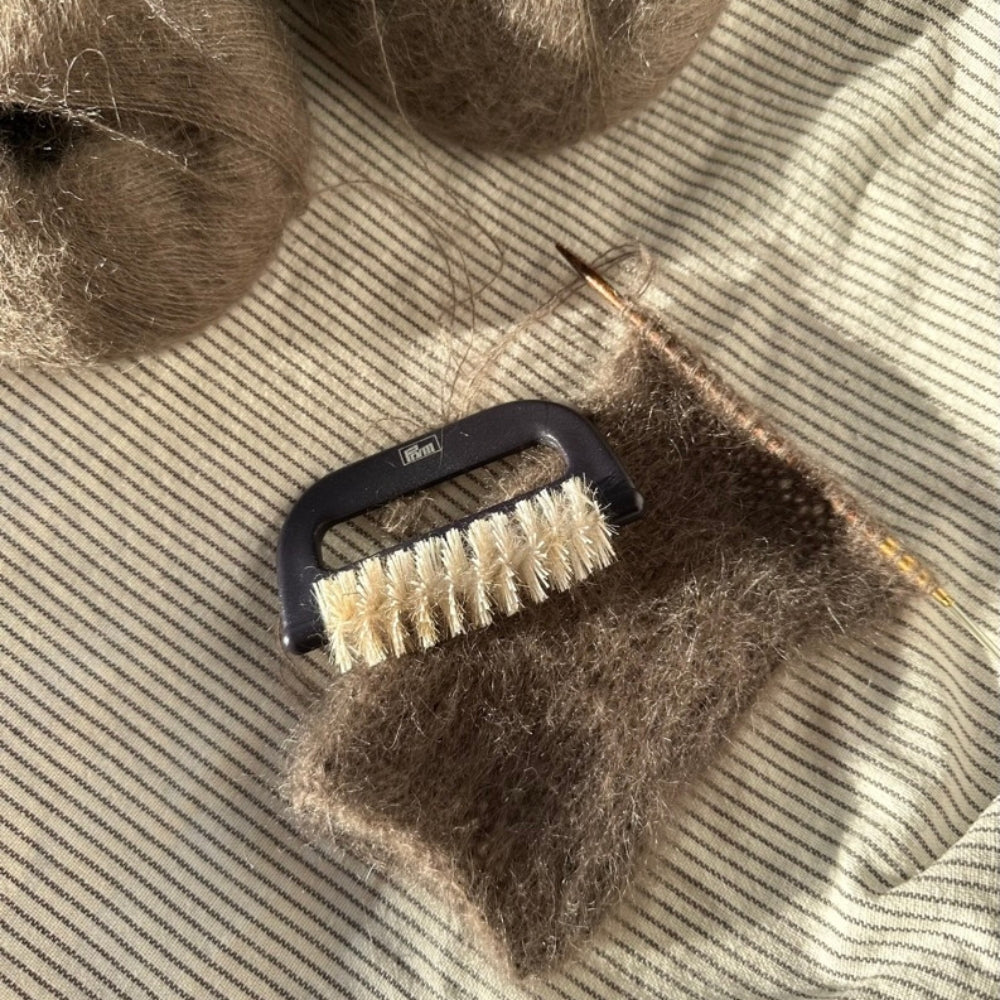
Mohair brush – to revive fluffy fibers
For mohair or mohair blends, you can use a mohair brush to:
-
fluff up the fibers again
-
recreate the airy and soft finish
-
make the knit look almost new
Brush lightly in the same direction and avoid over-brushing – a little goes a long way.